For more than 175 years, the first Friday of July marked one of London's most extraordinary social occasions. At its height, the Fairlop Fair drew crowds of up to 300,000 people to the ancient oak forests of what is now Redbridge, transforming quiet woodland into a riot of entertainment, commerce, and revelry.
The Origins: A Pump Maker's Generous Gesture
The fair began in July 1725 with an act of eccentric philanthropy. Daniel Day, a marine engineer and pump and block maker from Wapping, owned cottages near Hainault Forest and chose to collect his rents on the first Friday of July each year. Rather than a simple transaction, Day turned the occasion into a celebration.
He invited his tenants, friends, and employees to gather beneath the colossal Fairlop Oak on Fairlop Plain. There, he served a meal of beans and bacon. The tradition proved so popular that other employers began bringing their workers on the same day, and within decades the private gathering had evolved into a massive public festival.
The Fairlop Oak: A Natural Wonder
The festival centred on one of England's most remarkable trees. The Fairlop Oak measured 66 feet in circumference at its trunk and boasted 17 major branches, most of which exceeded 12 feet in girth. Its canopy was vast enough to shelter enormous crowds.
The tree survived until the early 19th century. It caught fire in June 1805 and was finally blown down by 1820. Its timber was repurposed with some ceremony; portions were used to create a pulpit at St Pancras New Church in 1822 and a sounding board at St Mary the Virgin in Wanstead. Today, the oak features on the coats of arms of both the former Municipal Borough of Ilford and the present London Borough of Redbridge, a lasting symbol of local heritage.
A Festival of Staggering Scale
By the mid-18th century, Fairlop Fair was attracting approximately 100,000 visitors annually. In its later years, attendance swelled to between 200,000 and 300,000 people. For perspective, this represented a significant portion of London's total population at the time.
The fair expanded from a single day to a week-long event. Attractions included Polito's Menagerie, various entertainments, and the famous "Fairlop Frigates." These were boats on wheels, drawn by six horses accompanied by a marching band. The tradition began with Daniel Day himself; following a road accident, he had a boat constructed that he would sail from Wapping via the Thames and River Roding to Ilford. There, the vessel was fitted with wheels and hauled to the fairground. The practice continued until the last fair in 1900.
The 'Beano' Connection: Disputed Etymology
The article's headline refers to a persistent claim: that Fairlop Fair gave Britain the word "beano" (and its predecessor, "bean-feast"). The theory holds that the term derives from Daniel Day's annual meal of beans and bacon served beneath the oak.
This connection appears in multiple sources, but etymologists treat it cautiously. The Wikipedia entry for bean-feast presents the Fairlop origin as "an alternative derivation," whilst noting that the "probable origin" is the Twelfth Night festival from the Low Countries. The Online Etymology Dictionary traces "beano" to 1888 as a shortening of "beanfest" (first recorded in 1805), without mentioning Fairlop Fair at all.
The claim that the festival "gave Britain the word" is therefore disputed among scholars. The connection is plausible but not definitively proven.
The Forest's Destruction and the Fair's Decline
The Hainault Forest Act of 1851 sealed the fair's fate. The legislation permitted enclosure of the forest, and between 92 and 96 per cent of the woodland was destroyed and converted to farmland. This environmental catastrophe, which removed the fair's setting and much of its character, helped catalyse the modern conservation movement in Britain and the campaign to save Epping Forest.
After the forest's destruction, the fair continued at Barkingside on a reduced scale. The last significant Fairlop Fair took place in 1900, bringing to an end a 175-year tradition.
Fairlop's Legacy in Modern Redbridge
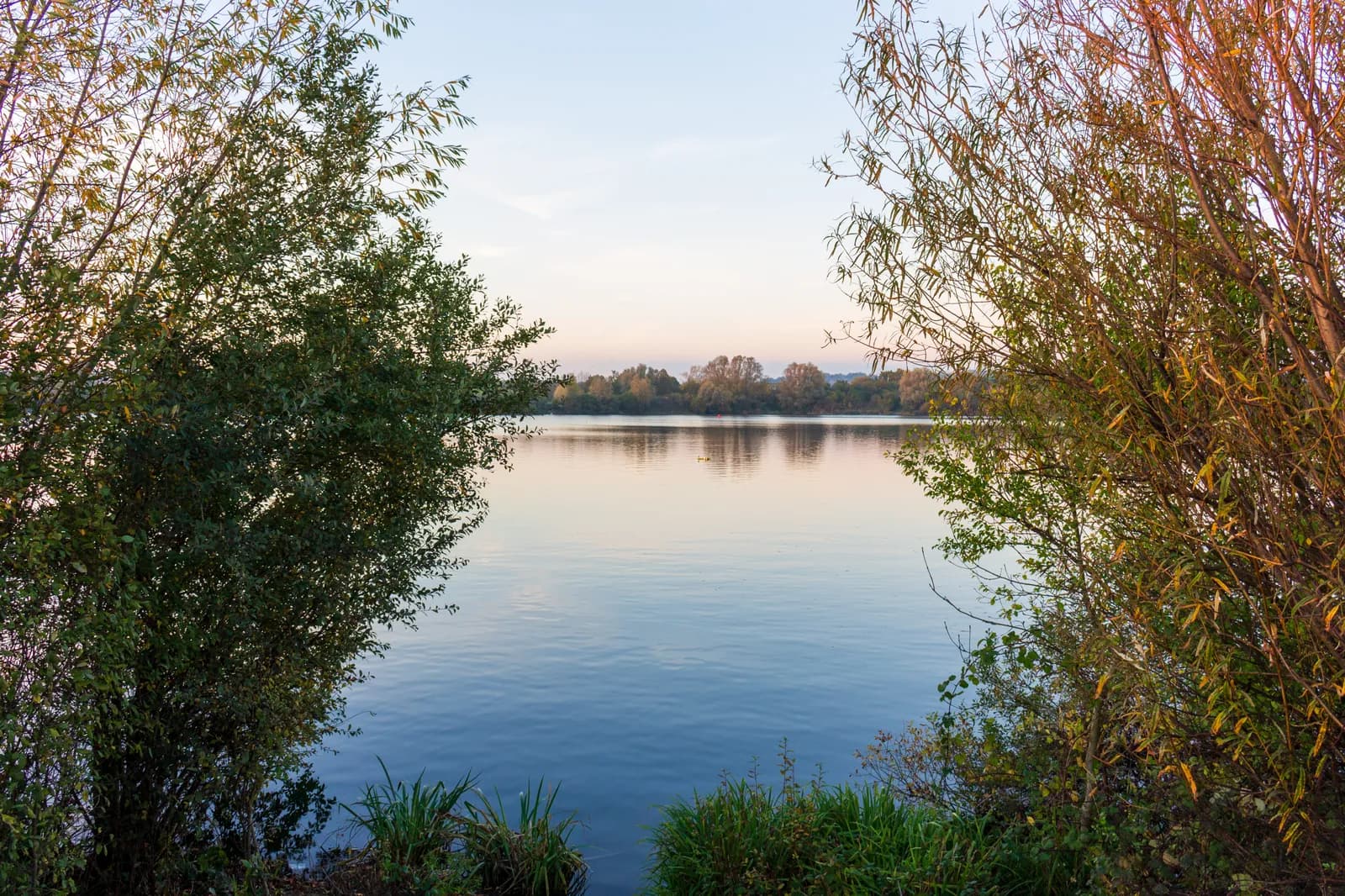
The festival may be gone, but its name persists throughout the borough. Fairlop Waters Country Park now occupies the approximate site of the ancient oak. Fairlop tube station, opened in 1903 and serving the Central line from 1948, bears the name. The New Fairlop Oak pub in Fullwell Cross commemorates the tree that started it all.
For Redbridge residents, the Fairlop Fair represents a remarkable chapter in local history: a time when their neighbourhood hosted one of London's greatest entertainments, when hundreds of thousands travelled to walk beneath the branches of a tree so large it seemed almost mythical, and when a pump maker's generous impulse grew into a tradition that lasted nearly two centuries.